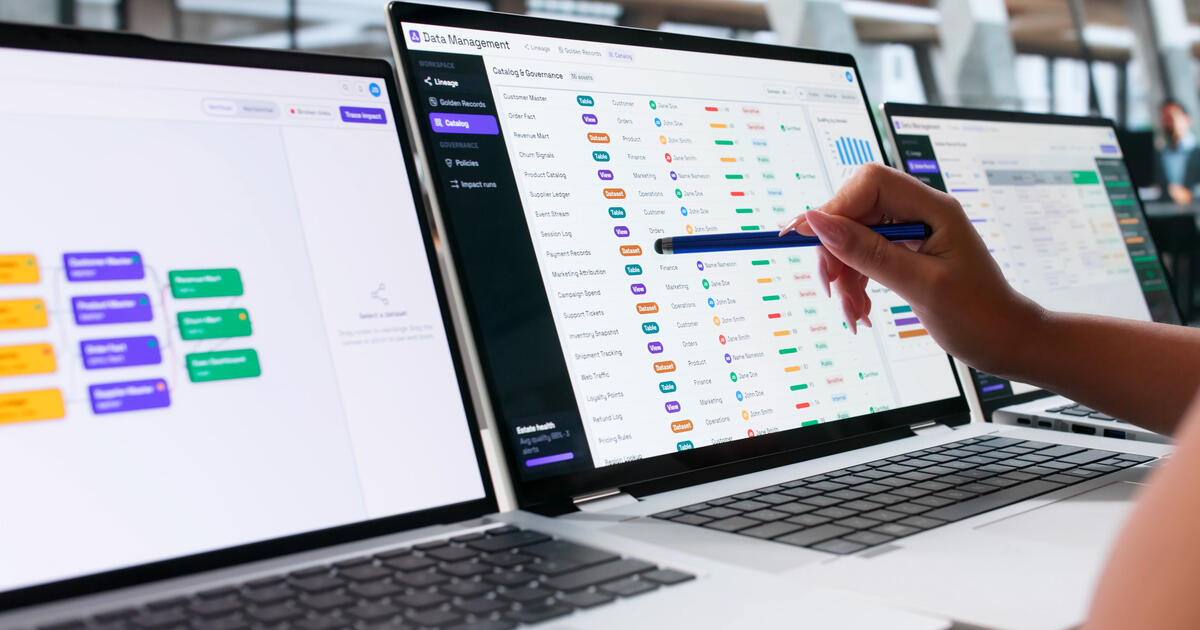


Approximately 66% of all US manufacturers agree that implementing stronger digital marketing and sales initiatives is one of, if not, their highest priorities over the next two years, according to a PwC manufacturing survey. In the modern digital world, those in the industry need to prioritize providing innovative solutions and smooth customer experiences. Those that don’t are seeing the consequences of failing to meet evolving demands and are constantly seeking solutions to stay ahead of the competition.
When it comes to innovation, there are many reasons why manufacturers and distributors seek new digital solutions to improve the user experience. An online experience that maximizes personalization, engagement, robust product and service catalogs, navigation, and search is crucial.

Web Design & Development for Manufacturing and Distribution
Companies in manufacturing and distribution are increasingly turning to digital solutions to stay ahead. A well-designed website is no longer just a digital storefront—it’s a critical tool for streamlining operations, expanding market reach, and driving revenue growth. When seeking web development for manufacturing and distribution, web design for distribution companies, or a manufacturing website design agency, the right digital platform can transform your business.
Knowing how important customer service and overall satisfaction are, it’s important that companies allow for seamless integration of existing business systems throughout their websites. Companies in manufacturing and distribution are looking toward capitalizing on digital solutions. Typically, they are looking to accomplish the following three things:
- Maximize distribution efficiency
- Expand market geography and market share
- Increase overall revenue
In order to successfully achieve these goals, companies must use the proper management processes and systems. When it comes to transforming a company’s digital platform, the careful integration of a firm’s existing management systems already in place is extremely important. Some of these management systems include enterprise resource planning (ERP), customer relationship management (CRM), marketing automation platform (MAP), and product inventory management (PIM). A successful digital platform transformation should have these systems strategically integrated into the website while also being user-friendly, uniform in design, and easy to navigate.
Best Practices for Manufacturing and Distribution Websites
To ensure your website is optimized for success, here are some best practices to consider:
- Customizable ERP and CRM Integration: Seamlessly connect your website with ERP and CRM systems to streamline operations, improve order management, and enhance customer relationships.
- Multi-Language Support for Global Distributors: Cater to international markets by offering multi-language functionality, ensuring accessibility and usability for a global audience.
- Personalized Experiences Through MAP or AI-Driven Product Recommendations: Leverage marketing automation platforms (MAP) and AI technologies to deliver tailored product recommendations, improving user engagement and driving conversions.
To provide some guidance and clarity on what successful manufacturing and distribution websites look like, we have compiled a list of five custom website design examples. These examples not only did a great job exemplifying how to incorporate existing management processes and systems, but also created a revamped user experience that led to greater efficiency and increased visibility and revenue.
Manufacturing & Distribution Website Design Examples
A well-designed website is a cornerstone for success in the manufacturing and distribution sectors. The following manufacturing website examples and web design for distributors showcase how companies can effectively combine functionality, aesthetics, and performance to achieve their business goals. These websites reflect best web design practices for distributors, focusing on seamless system integration, enhanced product visibility, and an intuitive user experience (UX).
Each example has been carefully selected based on its ability to meet key criteria such as SEO optimization, integration with ERP and CRM systems, clear product visibility, and user-friendly navigation. These elements not only improve operational efficiency but also drive customer engagement and revenue growth, making them standout examples of what a successful manufacturing or distribution website should look like.
Astec Industries: Unified Brand Experience with Advanced System Integration
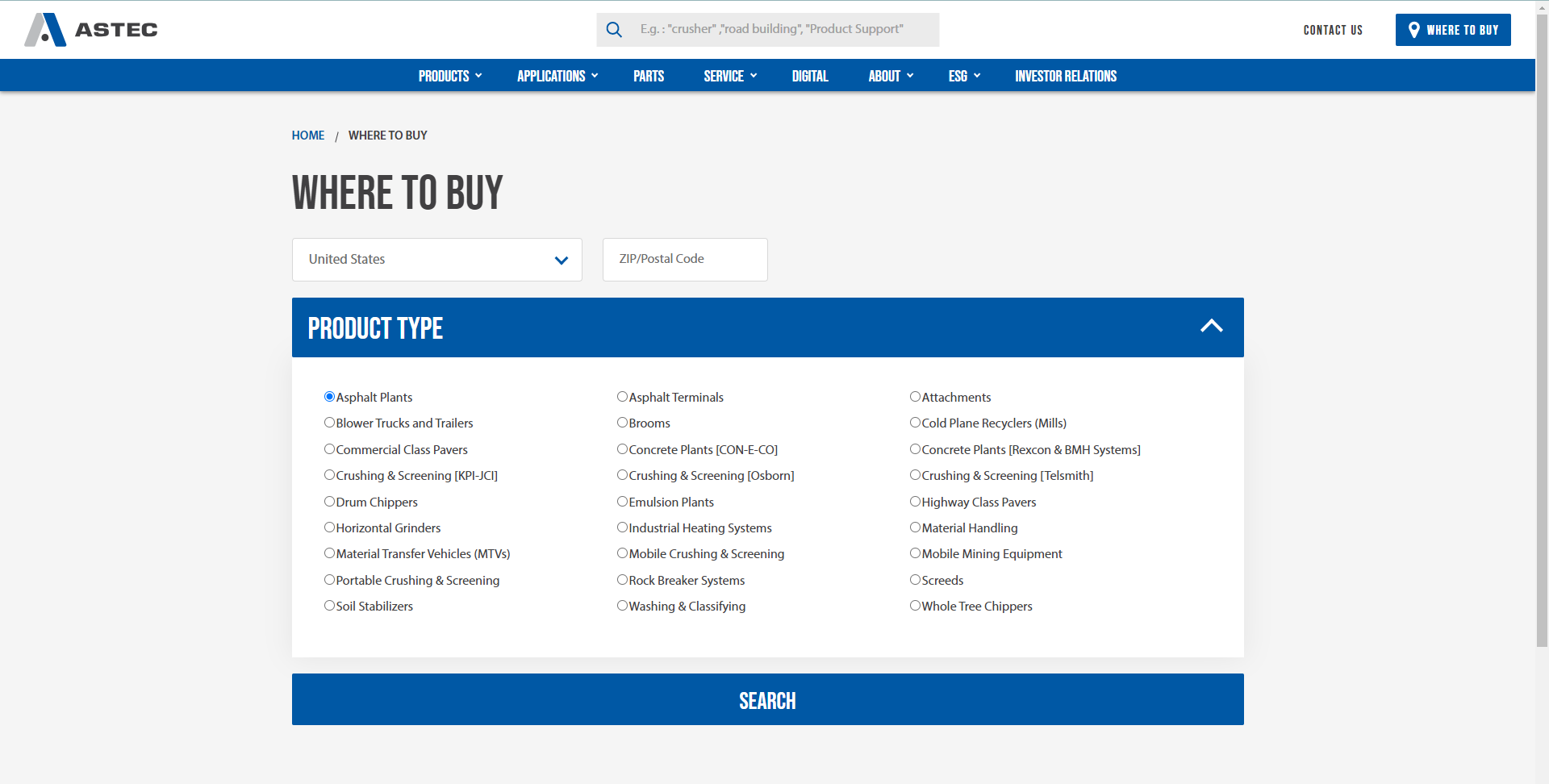
As a large machinery distributor, Astec’s website needed to reflect a unified brand image across numerous product verticals. Consolidating sixteen separately-branded websites, Astec’s redesigned platform creates a seamless experience where users can access the company’s expanded portfolio of products in one place.
Key features include:
- ERP and PIM integration to ensure accurate and up-to-date product information, specification tables, and downloadable resources.
- SEO enhancements to improve search visibility across product categories and geographic locations.
- UX for B2B ecommerce, with advanced search functionality allowing customers to find specific product types or nearby options based on location.
Additionally, URL redirect alerts were implemented to guide returning customers from the old branded sites to the new unified platform, reducing confusion and reinforcing brand familiarity.
State Electric Provides an Electric User Experience with Increased Search Functionality and Improved SEO Strategy
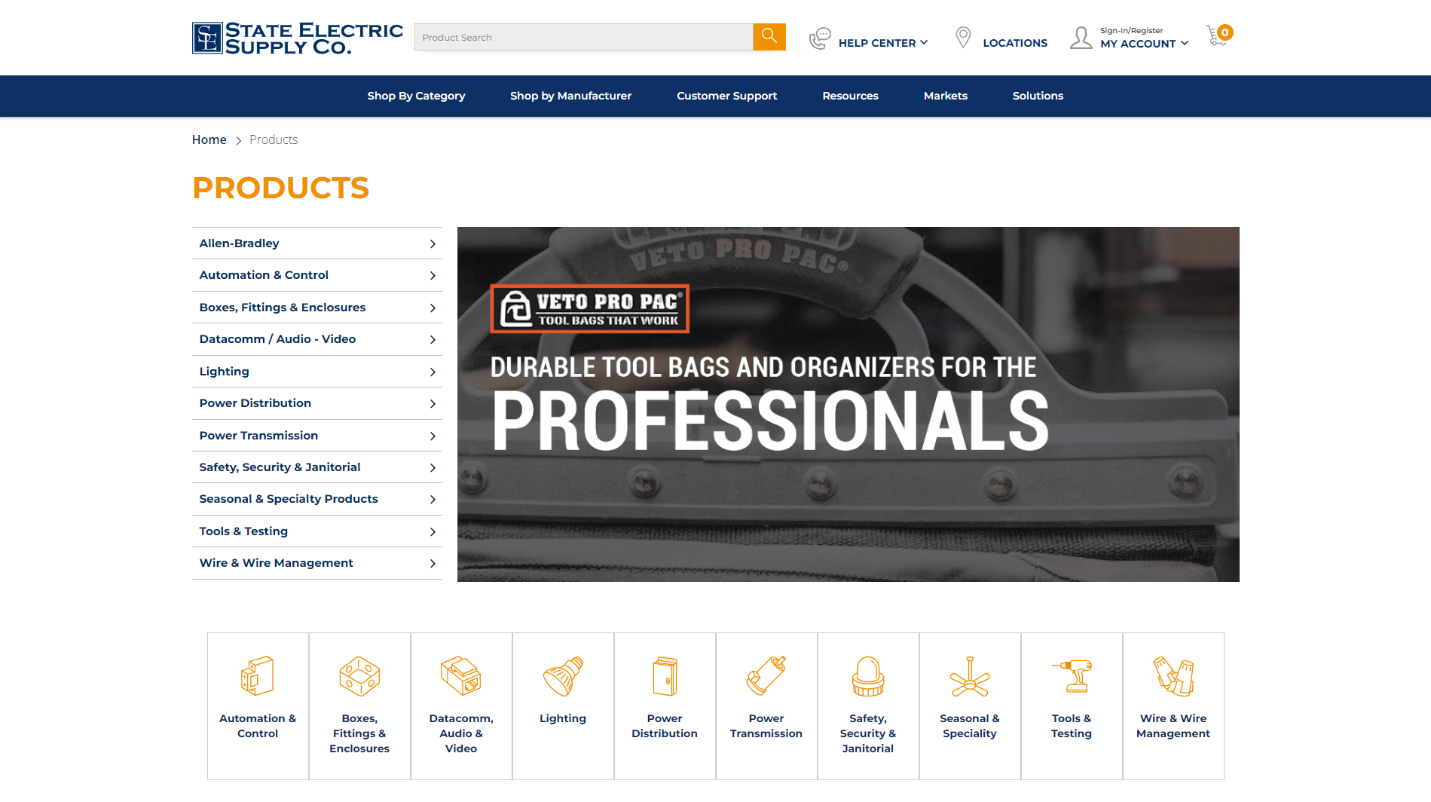
As a leading electrical distributor, State Electric’s website was designed to provide a smooth and efficient B2B customer experience. The easy, intuitive navigation and advanced search capabilities ensure customers can quickly find the products they need.
Key features include:
- ERP integration with Infor, enabling seamless access to the entire product catalog, real-time inventory, and invoices.
- Enhanced SEO strategy, leveraging key industry terms in title tags, meta descriptions, and headings to boost search engine visibility and drive conversions.
- UX for B2B ecommerce, with tools that simplify shopping, purchasing, and shipping processes for customers.
This combination of technical features and a user-focused design has significantly increased site visibility, conversions, and overall revenue, making it a standout example of effective web design for distribution companies.
Werner Ladder Company: Scalable Platform with Cohesive Global Design
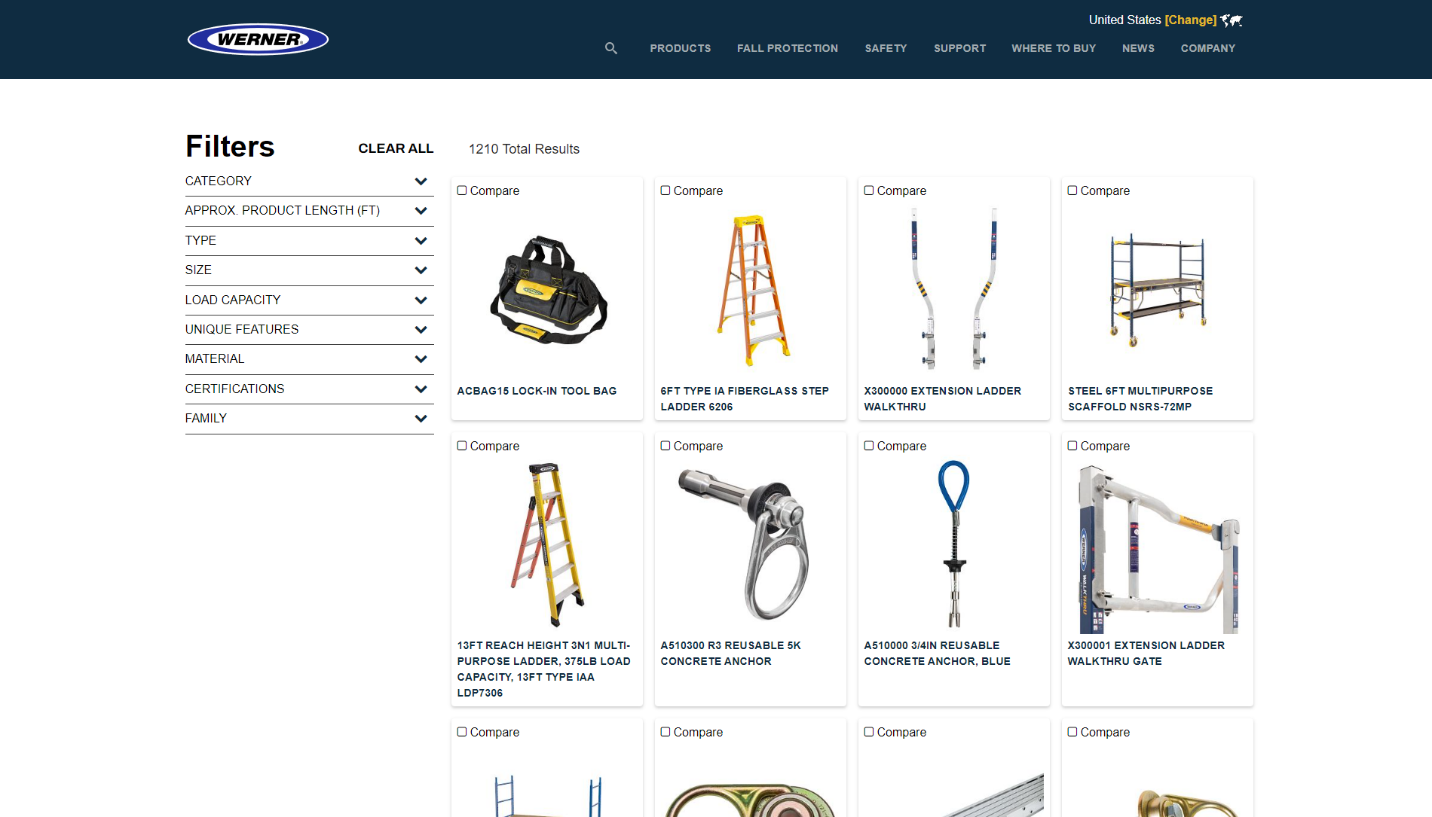
As a global leader in ladder manufacturing, Werner Ladder Company needed a website solution that could scale with its growing product lines while maintaining a consistent brand identity. By consolidating 20+ websites into a single admin platform, Sitefinity, Werner achieved a streamlined and efficient digital presence.
Key features include:
- PIM integration to ensure accurate and centralized product information management, eliminating the need for multiple updates.
- Global template and Resource Package structure, enabling unique yet cohesive designs across all Werner entities.
- UX for B2B and B2C ecommerce, with tools like the “Find Your Ladder” feature and a product comparison tool for fast navigation and efficient product matching.
This scalable and cohesive platform not only simplifies site management but also enhances the customer experience, making it easier for Werner to launch new sites as additional product lines are introduced.
Kirby Risk: Centralized B2B Platform with Advanced Functionality
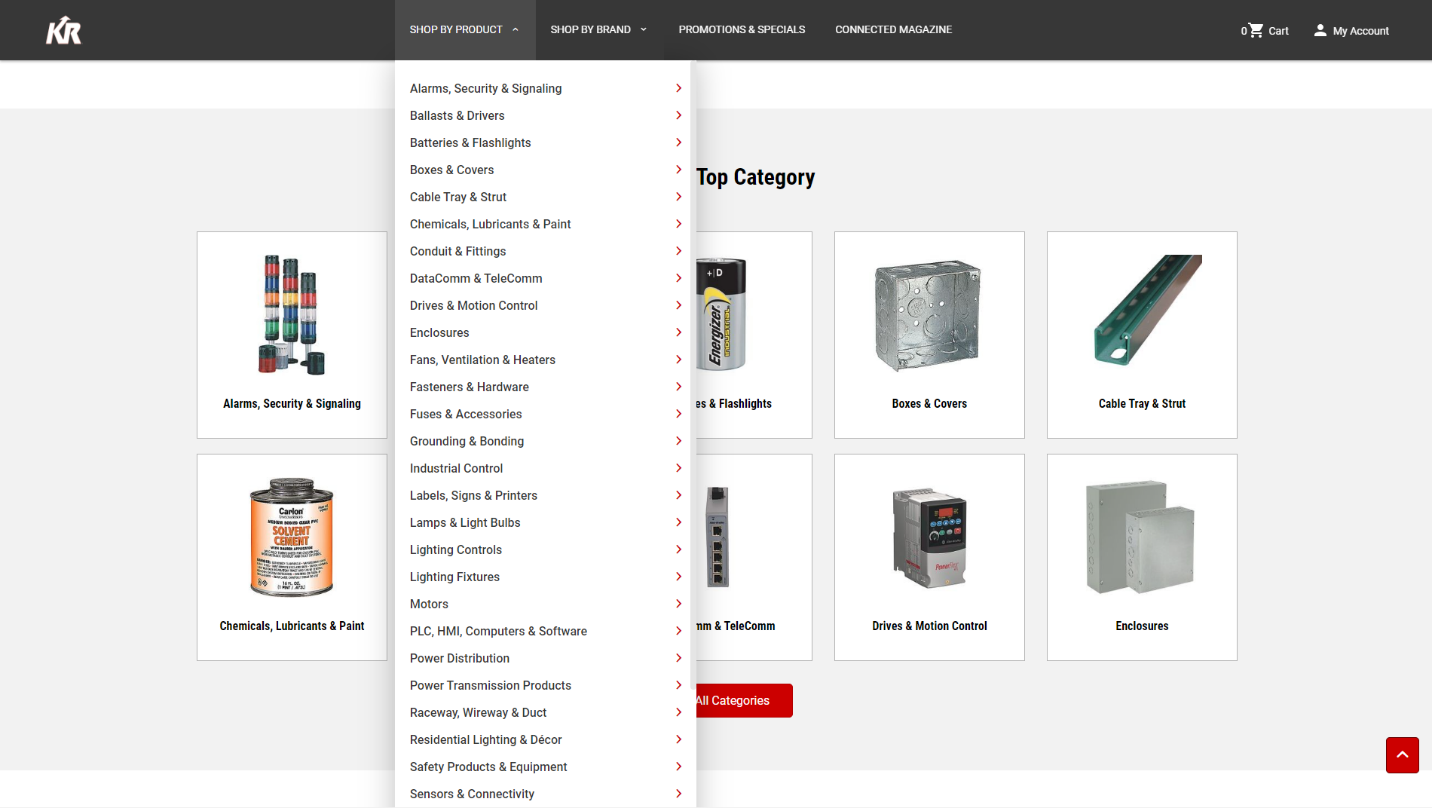
As a trusted name in electrical supply and services, Kirby Risk required a website that could handle the complexity of its B2B ecommerce personalization needs. Built on the ROC Commerce platform, the site serves as a comprehensive solution for managing all B2B functions and activities.
Key features include:
- Centralized platform for tracking ecommerce activity, customer registration, approval workflows, inventory management, and invoicing.
- Advanced search tool to help customers quickly locate products or services from Kirby Risk’s extensive catalog.
- Customer engagement focus, offering online access to mechanical repairs and services to enhance convenience and satisfaction.
By combining robust functionality with a user-friendly design, Kirby Risk’s website streamlines operations while prioritizing customer needs, making it a standout example of web development for manufacturing and distribution.
Deublin: Real-Time ERP Integration with Multi-Language Support
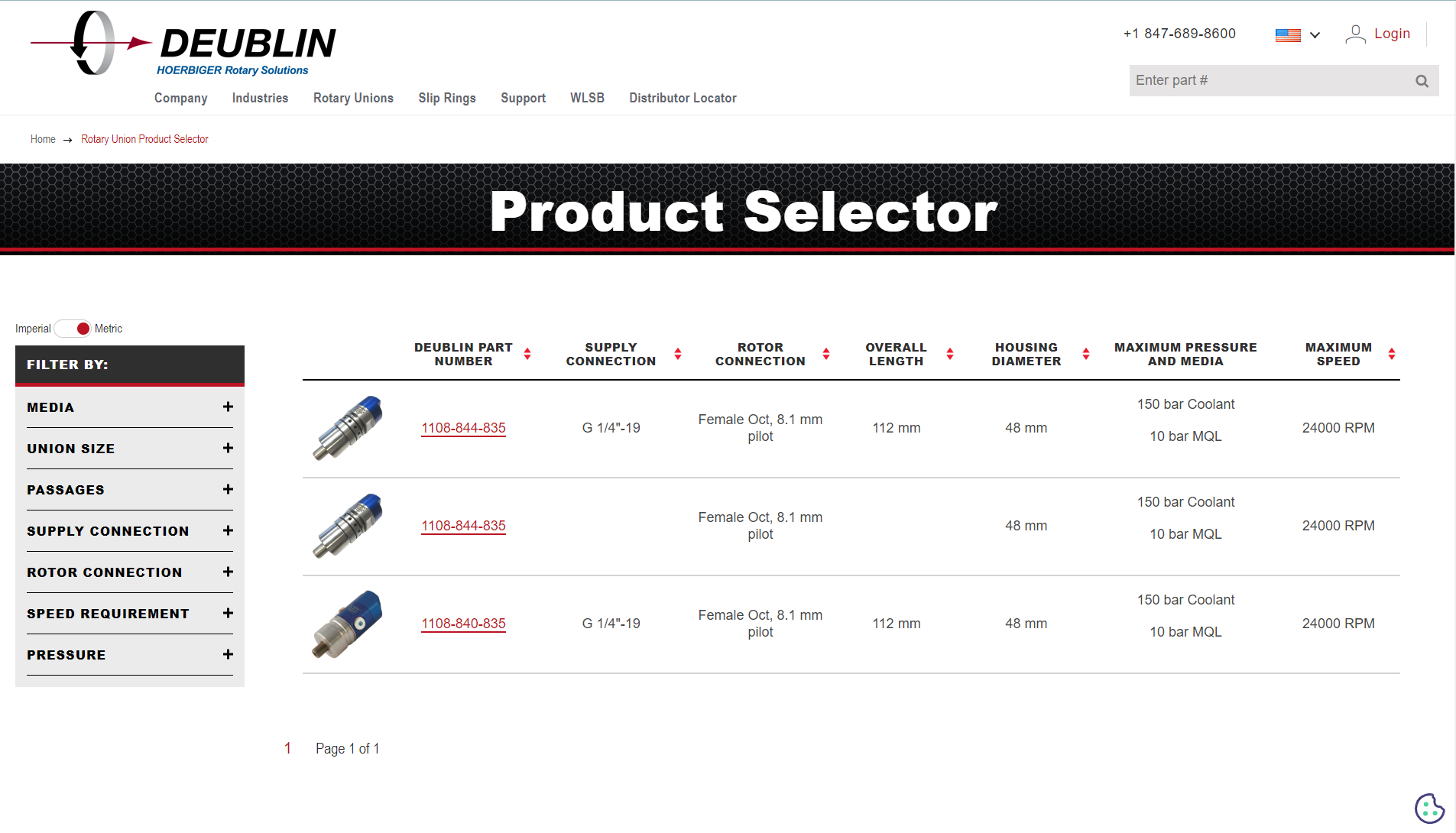
As a global leader in rotary unions, Deublin needed a website that could seamlessly integrate its in-house ERP system while catering to an international audience. Built on Sitecore Commerce, the website delivers a robust and efficient personalized ecommerce experience.
Key features include:
- ERP integration with Sitecore Commerce to display real-time product availability, pricing, and tax calculations during checkout.
- Multi-language support, enabling the website, product catalogs, and country-specific pricing to be translated into 14 languages for global accessibility.
- Simplified transactions through the integration of PayPal Payflow Pro, ensuring a smooth and secure checkout process.
- Member Management process, which connects the ERP with Sitecore Commerce to store and manage customer-related information efficiently.
Deublin’s website combines advanced system integration with global functionality, making it a prime example of web design for distribution companies and manufacturing website examples.
What to Look for in a Manufacturing or Distributor Website
A successful website for manufacturing or distribution goes beyond aesthetics—it must combine functionality, scalability, and user-centric design to meet the unique needs of the industry. From responsive architecture that ensures seamless performance across devices to ERP integration for real-time inventory management, the right features can streamline operations and enhance the customer experience. Additionally, advanced product catalog search tools, SEO and multilingual capabilities, and personalization with lead capture are essential for driving engagement, improving visibility, and converting visitors into loyal customers. These elements are the foundation of effective distributor web design and website optimization for distribution companies.
Responsive & Scalable Architecture
A manufacturing or distributor website must feature a responsive and scalable architecture to ensure optimal performance across all devices, from desktops to mobile phones. Scalability is equally important, allowing the website to grow alongside the business by accommodating new product lines, features, and increased traffic without compromising speed or functionality.
ERP & Inventory System Integration
Seamless ERP and inventory system integration is critical for syncing real-time product availability, pricing, and order management. This ensures customers always have access to accurate information while streamlining backend operations, making it a must-have for website optimization for distribution companies.
Product Catalog Search & Filters
An advanced product catalog search and filter system allows users to quickly locate specific products from extensive catalogs. Features like category filters, keyword search, and attribute-based sorting improve the user experience and drive conversions by simplifying the shopping process.
SEO & Multilingual Capabilities
Strong SEO and multilingual capabilities are essential for increasing visibility and accessibility in global markets. Optimized title tags, meta descriptions, and localized content ensure the website ranks well in search engines, while multi-language support caters to diverse audiences, making it a standout feature for product manufacturer websites.
Personalization and Lead Capture
Personalization tools, such as AI-driven product recommendations and dynamic content, create a tailored shopping experience that boosts engagement. Combined with lead capture features like forms, gated content, and email sign-ups, these tools help convert visitors into loyal customers, making them vital for distributor web design.
Why Choose Americaneagle.com for Your Manufacturing or Distribution Website
A manufacturing or distribution company is only as successful as its benefit to customers, and in today’s digital landscape, the need for user-friendly and integrated websites is greater than ever. A custom website that delivers a seamless customer experience from start to finish is essential for building convenience, trust, and brand loyalty.
Americaneagle.com is a leading website agency for manufacturing companies, with over 30 years of experience in web development for manufacturing and distribution. We’ve helped hundreds of businesses design and optimize their websites, including help with designing websites for distributors. By partnering with top ecommerce and B2B platforms, we specialize in integrating ERP, CRM, and other management systems into your website to create a streamlined and efficient digital experience. Our team of web developers, strategists, and digital marketers is dedicated to finding the best solutions tailored to your business needs.
Contact us today to learn how we can transform your website and drive your business forward.
FAQs
What features make a great website for manufacturing companies?
A great website for manufacturing companies combines functionality, user experience, and seamless integration. Key features include:
- ERP integration to provide real-time product availability, pricing, and order tracking.
- Advanced product filters and search tools to help users quickly find the right products.
- Detailed spec sheets and downloadable resources for technical buyers.
- Multilingual support to cater to global audiences.
- Interactive tools like a ladder selector tool or quote request forms to enhance user engagement.
These features ensure that product manufacturer websites deliver a streamlined and efficient experience for both B2B and B2C customers.
How should distributors design their ecommerce websites?
Effective distribution website design focuses on functionality, personalization, and real-time updates. Key considerations include:
- PIM integration to centralize and manage product data across platforms.
- Real-time stock updates to ensure customers always see accurate inventory levels.
- Personalized experiences for logged-in users, such as custom pricing and tailored product recommendations.
- Intuitive navigation and tools like product comparison features or quick reorder options to simplify the buying process.
By prioritizing these elements, websites for distribution companies can enhance customer satisfaction and drive sales.
What are the benefits of ERP integration on manufacturing and distributor websites?
ERP integration is a game-changer for web development for manufacturing and distribution, offering numerous benefits:
- Real-time updates for stock levels, pricing, and order statuses, ensuring customers always have accurate information.
- Streamlined operations, such as auto-updating inventory when a customer places an order.
- Improved efficiency by syncing data across platforms like Sitecore, ROC Commerce, or Sitefinity.
- Enhanced customer experience with features like order history, invoicing, and seamless checkout processes.
For manufacturing and distributor websites, ERP integration is essential for operational efficiency and customer satisfaction.
How can SEO help manufacturing and distributor websites?
SEO for manufacturers and distributors is critical for improving visibility and driving qualified traffic. Key strategies include:
- Using long-tail B2B search terms to target niche audiences effectively.
- Implementing schema markup (e.g., FAQ, Product, LocalBusiness) to improve search engine understanding and rankings.
- Creating optimized content, such as blogs or case studies, to nurture leads and establish authority.
- Enhancing distributor website SEO with localized keywords and multilingual content to reach global markets.
By leveraging these tactics, manufacturing website examples can achieve higher search rankings and better lead generation.
What are some best practices for designing a website for manufacturers or distributors?
The best web design practices for distributors and manufacturers focus on usability, functionality, and aesthetics. Key practices include:
- Clean layouts with ample white space to improve readability and navigation.
- Clear CTAs (Call-to-Actions) to guide users toward key actions like requesting a quote or making a purchase.
- Tools like product comparison features and interactive selectors to enhance the user experience.
- Integration of ERP systems and PIM tools for seamless backend operations.
- Mobile-friendly, responsive design to ensure accessibility across all devices.
By following these principles, websites for manufacturers can deliver a professional and user-friendly experience that drives engagement and conversions.