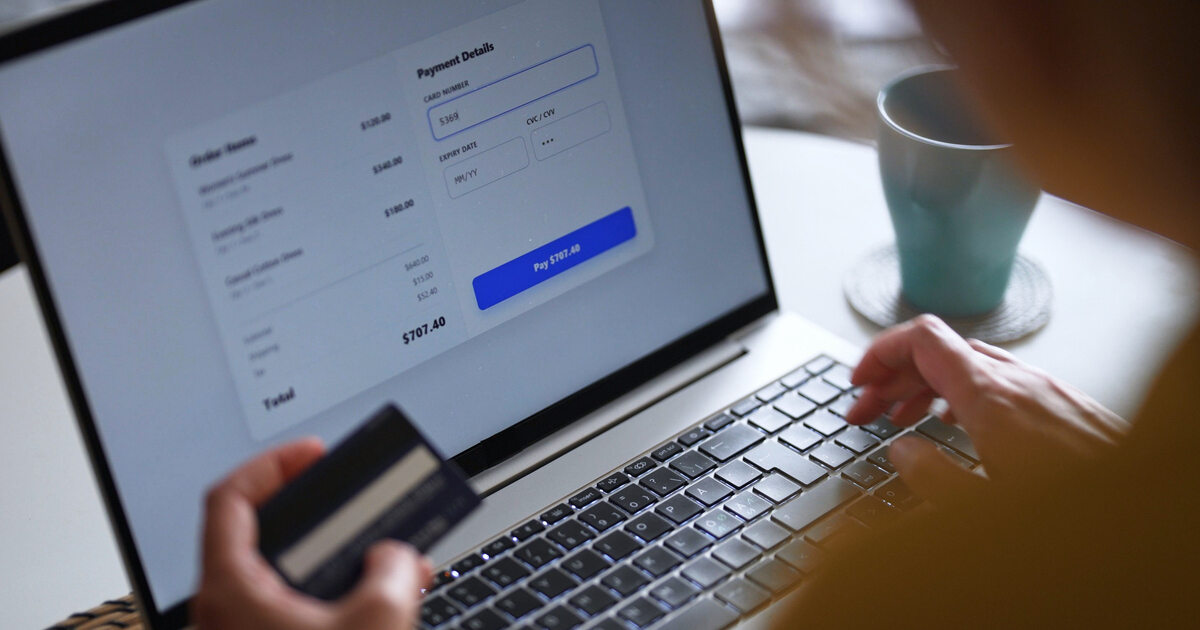


Nearly 70% of online shopping carts are abandoned before checkout is complete, according to the Baymard Institute. For ecommerce brands, that gap between interest and purchase represents a massive amount of lost revenue.
The good news is that the fix is closer than you'd think.
Ecommerce checkout optimization is one of the highest-leverage improvements you can make to your site. Unlike acquisition strategies that require ongoing ad spend, checkout optimization works with the traffic you already have, turning more window-shoppers into paying customers.
This blog post walks through proven ecommerce checkout optimization best practices and explains how a well-designed checkout flow fits into a broader strategy for ecommerce success.
Best Practices for Checkout Optimization
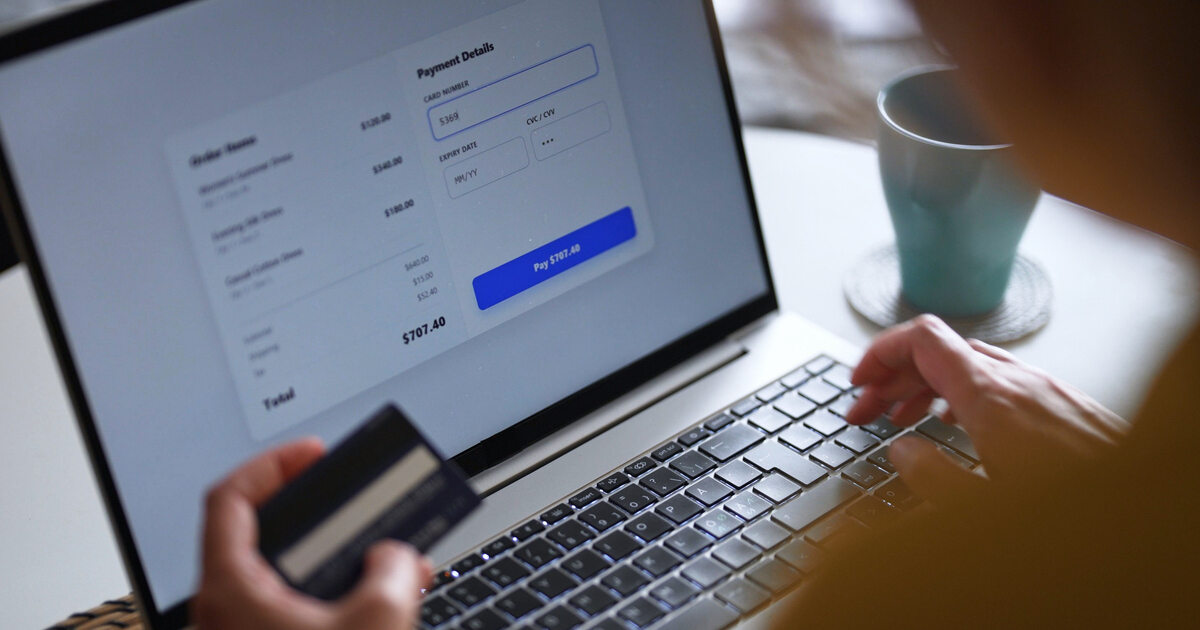
Improving your checkout experience doesn't require a full website overhaul. Many of the most effective optimization strategies can be implemented incrementally, measured, and refined over time. The key is removing friction wherever possible while giving customers the confidence and convenience they need to complete their purchase.
Offer Guest Checkout
Forcing customers to create an account before they can buy is one of the fastest ways to lose a sale. Shoppers who are ready to purchase don't want to stop and set a password, verify an email, or remember another login. They simply want to check out.
Guest checkout removes that barrier, allowing customers to complete their purchase with minimal interruption. Businesses can still encourage account creation after the transaction is complete, when customers are often more receptive to creating an account to track orders, save preferences, or streamline future purchases. Offering guest checkout remains one of the most effective ways to reduce abandonment and improve conversion rates.
Enable Autofill on Forms
Every form field a customer has to manually complete is an opportunity for them to lose patience or make an error. Enabling autofill for checkout forms (name, address, and payment details) can dramatically speed up completion and increase conversions.
Simple enhancements include:
- Enable browser and device autofill for names, addresses, and payment details
- Support standard HTML autocomplete attributes
- Use clear field labels and validation messaging
- Minimize the number of required fields whenever possible
These improvements are especially valuable for mobile shoppers, who may be completing purchases on smaller screens and touch keyboards.
Be Transparent About Costs & Delivery
Hidden costs are one top reasons shoppers abandon their carts. Nothing erodes trust faster than a shopper reaching the final screen and discovering shipping fees, taxes, or handling charges that weren't shown earlier.
Cost transparency should extend throughout the buying process, including clear information on:
- Shipping costs
- Taxes and duties
- Discounts and promotions
- Recurring charges, if applicable
- Any additional service or processing fees
Providing complete pricing information early helps customers make informed decisions and builds confidence in the purchasing experience.
Simplify Checkout Steps & Use Progress Indicators
Even motivated shoppers can become frustrated when checkout feels longer or more complicated than expected. Reducing unnecessary steps and organizing information logically helps create a clearer path to purchase.
Progress indicators can further reduce uncertainty by showing customers where they are in the checkout process and what remains before completion. Whether the experience consists of multiple steps or a streamlined one-page checkout, transparency helps customers feel more in control.
For larger ecommerce organizations, small improvements such as removing redundant fields, consolidating forms, or simplifying navigation can have a meaningful impact on conversion rates.
Offer Multiple Payment Options
Customers increasingly expect flexibility in how they pay. Restricting checkout to only a few payment methods can create unnecessary barriers and limit conversion opportunities.
A strong payment strategy often includes a combination of traditional and alternative payment methods, such as major credit cards, digital wallets, and “buy now, pay later” services where appropriate.
The right mix will vary by audience, industry, and geography, but giving customers choices allows them to complete purchases using the payment method they trust most.
Support International & Cross-Border Purchases
For businesses serving customers across multiple countries, checkout optimization extends beyond usability alone. Shoppers expect an experience that reflects local preferences and purchasing habits.
Key considerations may include:
- Local currencies
- Region-specific payment methods
- Country-specific address formats
- Tax and VAT calculations
- Duties and import fee transparency
- Localized language support
- Regional shipping options
A customer in Germany, Japan, or Canada may have significantly different expectations during checkout. Accommodating those differences can reduce friction, improve trust, and help increase conversions across global markets.
Make It Easy for Customers to Return & Complete Their Purchase Later
Not every customer is prepared to buy immediately. Some may need internal approval, want to compare options, conduct additional research, or simply return when they have more time.
An effective checkout experience acknowledges that reality.
Features like saved carts, persistent carts across devices, stored shipping preferences, and securely saved payment methods make it easier for shoppers to resume the buying process without starting over. Follow-up efforts such as cart recovery emails and personalized remarketing campaigns can further encourage customers to return and complete their purchase.
For businesses with longer buying cycles or higher average order values, these capabilities can play a significant role in capturing what would otherwise become lost revenue.
Use Trust Signals Throughout Checkout
Customers are asked to provide sensitive personal and payment information during checkout. Even minor concerns about security or legitimacy can create hesitation at the point of purchase and cause shoppers to abandon their carts.
Successful checkout experiences often reinforce trust and credibility through visible cues such as:
- SSL security indicators
- Recognized payment logos
- Security certifications
- Clear return and refund policies
- Accessible customer support information
Trust signals alone won't fix a poor checkout experience, but they can help reassure customers and reduce uncertainty when it matters most.
Create an Accessible Checkout Experience
An effective checkout experience should be usable by all customers, regardless of how they interact with your website.
Accessibility improvements often include support for keyboard navigation, screen readers, properly labeled form fields, and clear error messaging. These enhancements help remove barriers that might otherwise prevent customers from completing a purchase.
Beyond accessibility requirements, many of these improvements benefit all users by making checkout more intuitive, easier to navigate, and less prone to causing confusion.
Design for Mobile Users
Mobile commerce accounts for a substantial share of online sales, representing roughly 40% of U.S. ecommerce revenue and nearly 60% of ecommerce sales worldwide, according to Capital One. As consumers increasingly browse and buy from their smartphones, optimizing the mobile checkout experience has become essential for reducing abandonment and improving conversions.
When evaluating the mobile experience, organizations should pay close attention to:
- Responsive page layouts
- Touch-friendly form fields and buttons
- Page-load performance
- Simplified navigation
- Digital wallet support
- Autofill compatibility
A checkout process that feels effortless on mobile can significantly improve conversion rates among shoppers who research and purchase on the go.
Continuously Test & Optimize Checkout Performance
Checkout optimization is never truly complete. Customer expectations, technologies, and purchasing behaviors continue to evolve, which means the checkout experience should evolve as well.
Organizations should regularly monitor metrics such as cart abandonment rates, checkout completion rates, form completion times, and drop-off points. A/B testing can also help identify opportunities that performance analytics alone may not reveal.
Common areas to evaluate include checkout layouts, payment method placement, button copy, order-summary visibility, and promotional messaging. Enterprise organizations should also monitor checkout speed, system reliability, and third-party integrations, particularly during peak traffic periods.
The highest-performing checkout experiences are rarely the result of a single redesign. They are continuously refined through testing, measurement, and ongoing optimization.
Start Optimizing Your Checkout Today
A high-performing checkout experience can have a direct impact on revenue, customer satisfaction, and long-term business growth. While many organizations focus heavily on acquiring new traffic, improving the path from cart to conversion is often one of the most effective ways to increase the value of the traffic you already have.
Whether you're looking to reduce cart abandonment, improve mobile conversions, support international customers, or optimize a complex ecommerce ecosystem, Americaneagle.com's digital marketing and ecommerce experts can help. We offer proven conversion rate optimization services to help you reach your goals.
Contact our team to evaluate your current checkout experience, identify opportunities for improvement, and develop a strategy designed to turn more shoppers into customers.
Frequently Asked Questions
What is ecommerce checkout optimization?
Ecommerce checkout optimization is the practice of improving the steps a customer takes to complete a purchase online, with the goal of reducing friction, building trust, and minimizing cart abandonment.
How much does checkout optimization typically cost?
Costs vary widely depending on the scope of changes. Simple fixes, like enabling autofill or adding trust badges, can often be implemented with minimal investment, while a full checkout redesign or A/B testing program may require a larger budget and specialized expertise.
How long does it take to see results from checkout optimization?
Many businesses see measurable improvements in conversion rates within weeks of implementing changes, particularly for high-impact fixes like guest checkout or cost transparency. More comprehensive optimizations, especially those involving A/B testing, typically take longer to fully validate.
What are the biggest risks of not optimizing checkout?
Businesses that neglect checkout optimization risk higher cart abandonment rates, lost revenue, and lower customer lifetime value, since a frustrating checkout experience discourages repeat purchases as well as first-time ones.
Who should be responsible for checkout optimization?
Checkout optimization typically involves collaboration between ecommerce store owners, UX professionals, and digital marketers, since it touches design, technical implementation, and conversion strategy. Many ecommerce businesses partner with a digital marketing or UX agency to conduct a checkout audit, run A/B tests, and implement best practices without pulling internal teams away from other priorities.