


In this episode of Lessons for Tomorrow, guest host Joe Campagna, a payments consultant at Americaneagle.com, sets the stage for a deep dive into the evolving world of payments. He welcomes Trey Swallow, SVP of Strategic Partners at Nuvei, a long-time partner of Americaneagle.com. Trey manages all U.S. payment partner relationships for Nuvei and brings his insights to the table for a timely conversation around surcharges, the rise of Buy Now Pay Later (BNPL), and how businesses are adapting their payment strategies in a shifting economic environment.
For captions, click "CC" within the video player. To read the transcript of this episode, click the transcript link within the description of the video on YouTube.
The Rise of the Fee: Why Surcharging is Making a Comeback
Surcharging is gaining popularity as merchants seek to offset rising credit card fees. Trey Swallow explains that while once avoided due to fears of customer backlash, today’s businesses are embracing it—especially post-COVID, as consumer habits normalized added fees. Key to implementation is compliance: surcharges must be clearly disclosed, capped at 3%, and applied only to credit cards, not debit. Missteps can lead to penalties from card brands. As awareness grows, so does the adoption of lower-cost alternatives like ACH. The shift marks a growing understanding that while rewards feel free to consumers, merchants ultimately bear the cost.
Behind the Swipe: Decoding Level 2 and 3 Card Data for B2B
Level 2 and Level 3 card data programs allow B2B merchants to reduce interchange fees by providing enhanced transaction details. Visa is phasing out Level 2 by October, consolidating requirements into a single Level 3 standard—aimed at improving accuracy and monetizing cleaner data. This shift introduces verification flags, meaning merchants must provide business-specific, validated data to qualify for discounts. While the move promises long-term clarity and savings, the immediate challenge lies in adapting software systems and processes. Merchants must partner with experienced processors to ensure compliance and maximize benefits—or risk missing out on significant cost reductions.
BNPL: The New Normal or a Temporary Trend?
Buy Now Pay Later (BNPL) is surging in popularity, driven by inflation and consumer demand for flexible spending options. Trey Swallow likens it to a modern version of rent-to-own or layaway—but with less oversight. While BNPL enables immediate gratification, its lack of credit checks and rising default rates raise red flags. Merchants must assess whether offering BNPL aligns with their business model, especially as profitability and risk vary by provider. With growing consumer expectations and limited regulation, BNPL may be here to stay—but businesses should monitor performance closely before jumping in blindly.
BNPL vs. Installments: What’s the Real Difference?
While BNPL might sound innovative, Trey Swallow reminds us that installment plans have existed in both B2B and B2C spaces for years. Traditional payment plans often involve no added fees or interest and are usually offered to known, repeat customers. In contrast, BNPL often targets one-time buyers, adds risk for merchants, and may include fees or penalties. The key difference lies in who’s financing the transaction—BNPL typically involves third parties, while installment plans are self-financed by the merchant. Understanding these distinctions is essential when deciding what best fits your customer base and tech stack.
The Watchdog Awakens: What Role Does the CFPB Play in BNPL?
The rapid growth of BNPL has outpaced regulatory oversight—especially with the Consumer Financial Protection Bureau (CFPB) weakened in early 2024. Trey Swallow and Joe Campagna highlight how the current landscape is largely self-regulated, leaving both consumers and merchants vulnerable. The CFPB was originally positioned to enforce credit transparency and fair lending standards but has since lost traction. With BNPL expanding internationally, regulatory frameworks vary globally. Until formal protections are restored or strengthened, businesses must self-police and prioritize frictionless, transparent checkout experiences. As data becomes increasingly valuable, the pressure to regulate will only intensify—both domestically and abroad.
What’s Next? Future-Forward Tech in Payments
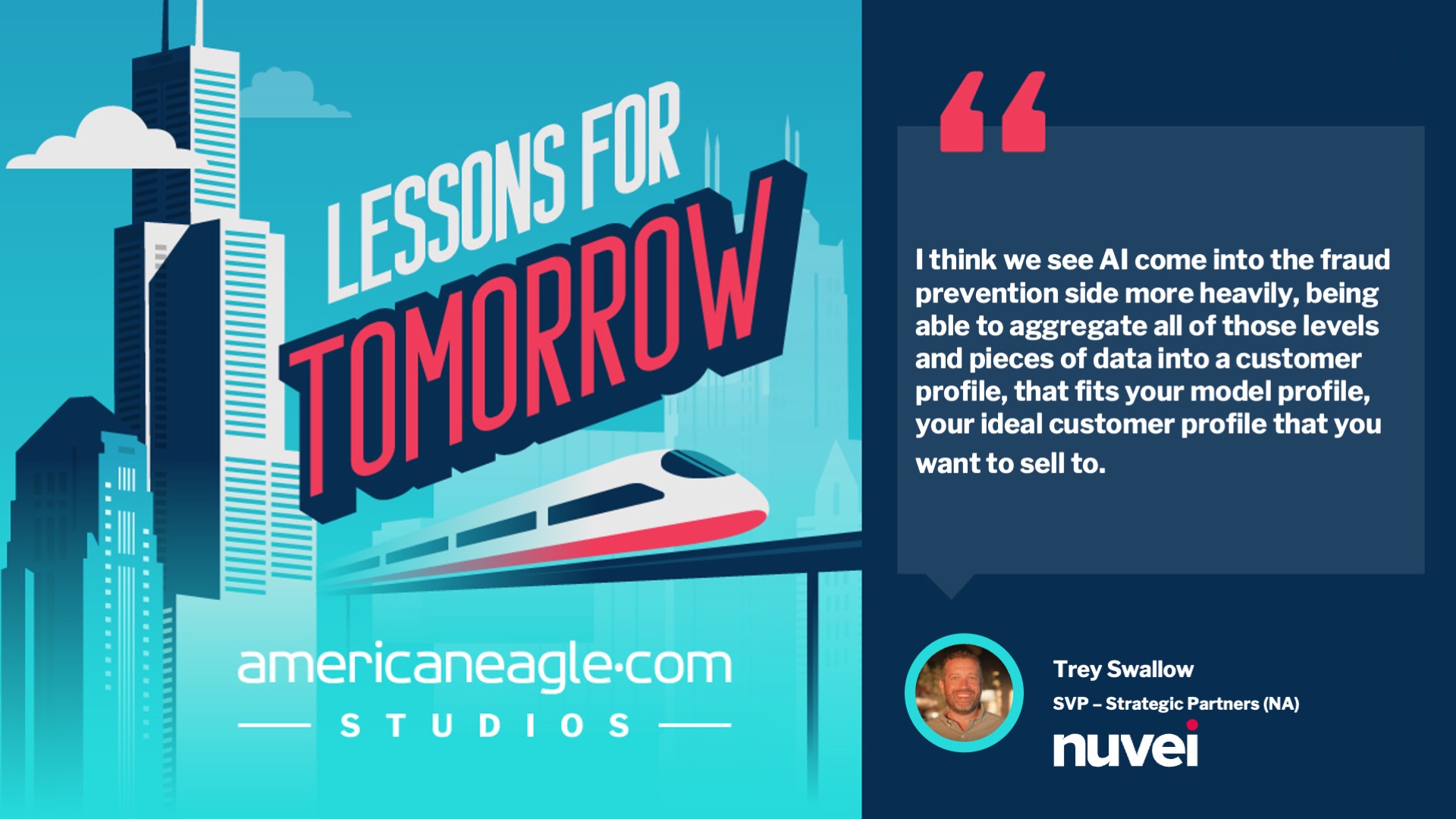
The future of payments is evolving fast, with key innovations like real-time ACH and FedNow transfers gaining traction. Trey Swallow highlights his predictions with AI’s growing role in fraud prevention, offering smarter, more secure customer profiling. Digital wallets are also transforming how users manage finances, potentially replacing traditional banking apps. Meanwhile, blockchain and crypto bring programmable payments into view—using smart contracts for automated, conditional transactions across sectors like real estate and gaming. As regulation catches up with technology, merchants should prepare now by evaluating partners and tech stacks that can adapt to these dynamic and disruptive shifts in the payments landscape.
One Merchant Move: What to Do Right Now
Merchants must actively audit their payment processing—it's a significant business expense, not a throwaway item. Regularly reviewing credit card statements helps ensure they’re billed correctly, qualifying for the right rates, and using effective fraud tools. With card brands like Visa and Mastercard updating rules and fees twice a year, staying in touch with your payment provider is crucial. Even simple biannual check-ins can clarify changes and reveal new technologies to keep you ahead. Building a trusted relationship with your payments partner is key to managing costs and navigating complex updates.
BNPL Forecast: Fad or Fixture
BNPL isn’t headed for a bust, but it won’t explode into massive growth either. It’s become a steady, familiar option consumers like—offering easier payments at the point of gratification. Trey predicts BNPL will remain a consistent player rather than a breakout star, partly because regulators are expected to increase oversight, bringing more structure to the space. Rather than a hype-fueled boom or dramatic collapse, BNPL will quietly grow and mature, becoming a stable payment method that businesses and consumers simply accept as part of the landscape.
Where It All Lands: What Today’s Trends Mean for Tomorrow’s Transactions
As surcharges become mainstream and BNPL settles into a steady rhythm, one question remains: who truly pays the price in this evolving payments landscape? Merchants face rising fees and shifting regulations, while consumers demand flexibility and transparency. Emerging technologies—from AI-driven fraud prevention to blockchain—promise transformation but also complexity. To stay ahead, businesses must move beyond reactive measures and embrace payments as a strategic cornerstone, not just a cost center. In this fast-changing ecosystem, the future favors those who anticipate change, question assumptions, and redefine how value flows through every transaction. What will your next move be?
Listen to Lessons for Tomorrow Today!
Start listening on Apple Podcasts, Spotify, or wherever you get your podcasts. You can also watch the episode taped in the Americaneagle.com Studios on YouTube.
This podcast is brought to you by Americaneagle.com Studios.
Connect with:
- Lessons for Tomorrow: Website // Twitter // Instagram // Facebook // YouTube
- Tim Ahlenius: LinkedIn // Twitter
- Joe Campagna: LinkedIn
- Trey Swallow: LinkedIn
- Resources: Nuvei
About: The Lessons for Tomorrow podcast is centered around conversations between industry experts sharing insights from the past, to apply in the present, to achieve success in the future. This podcast is the "motivational poster" in your ear; each episode is centered around conversations which motivate you to tackle new initiatives at your organization. We will be talking with some of the best and brightest minds in technology and marketing and will hear from the experts themselves about their latest experiences, their most recent challenges, and the road ahead. Every episode has a different story, a different answer, a different approach.
Follow now.