


In a world where Google often shapes first impressions, even one unflattering search result can cost you trust, credibility, or revenue. Instead of stressing about negative search results, take control of your digital reputation by learning how to remove them effectively.
This article explains how to remove unwanted Google search results, suppress negative content, and protect your digital presence. This includes key options like using Google Search Console’s removal tools, requesting removal from the source, or submitting a legal removal request to Google.
We will also discuss how to suppress unwanted results when they cannot be removed, the difference between permanent and temporary removal, and why negative search results are a significant concern for businesses. Additionally, we will cover common types of negative search results, how to prevent them in the future, and when to contact an agency for professional assistance.
Americaneagle.com offers SEO strategy and consulting services to help new or redesigned websites thrive. We conduct an SEO audit to develop a comprehensive blueprint that guides your SEO tactics and establishes clear goals for tracking progress. Contact us today to enhance your organic and paid search results on Google.

Why Negative Google Search Results Matter for Your Online Reputation
Search results greatly influence public perception and trust, making it necessary for both businesses and individuals to manage their online presence. Negative or outdated information can harm reputations, affect revenue, and compromise personal privacy.
Common unwanted or negative Google search results include outdated info, personal data, negative reviews, and inaccuracies, all of which can be harmful to organizations or personal brands. There are various reasons for wanting to remove or suppress these results, such as:
- Protecting one's reputation
- Accurately conveying information about products or services
- Maintaining relationships with partners
- Ensuring personal safety
Proactively monitoring how you show up in Google search results, and taking steps to suppress unwanted results, is the best way to ensure you are making a positive first impression on audiences.
Common Types of Unwanted Google Search Results You May Need to Remove
Before you decide how to remove Google search results, it’s helpful to understand the categories of content that commonly appear. Common types of unwanted content that individuals and businesses seek to eliminate from Google search results include outdated news articles, negative or fake reviews, personal data leaks, defamatory statements, and incorrect business listings.
- Outdated News Articles: These can mislead consumers and damage reputations.
- Negative or Fake Reviews: Unjustly harsh or fabricated reviews can skew public perception.
- Sensitive Information: Personal details, such as addresses or phone numbers, can lead to privacy violations and security threats.
- Defamatory Content: Statements that damage character or integrity can result in legal issues.
- Brand Reputation Risks: Content damaging to a brand can affect trust and sales.
- Incorrect Business Listings: Inaccuracies can confuse customers and harm online presence.
Google search crawlers may pick up negative content from news sites, blogs, forums, social media, and review platforms. Although reviews can be flagged for removal, even minor inaccuracies can significantly impact reputation, underlining the importance of managing one’s online presence.
Can You Really Remove Search Results from Google?
The short answer is: Yes! There are two different processes to know if you want to understand how to remove unwanted content from Google search results:
Removing Content from the Web
When you remove content from the web, you change the original website. This could mean deleting or modifying the material, making it unavailable to anyone who visits that link.
Removing Content from Google’s Index
Removing content from Google’s index means it won’t appear in search results, but the content still exists on the website.
While you cannot directly delete search results from Google’s index, you can request removal if the situation involves your personal information or content that breaks Google’s rules, like illegal, defamatory, or privacy-infringing material.
Remember, even if you make these requests, Google doesn’t guarantee removal. Google has strict policies for how it handles content removal, so it’s important to maintain realistic expectations when trying to get something scrubbed from search results.
How to Remove Negative Google Search Results: Key Methods and Tools
Google offers several tools to make the content removal process easier for users and businesses alike.
Use Google Search Console’s Removal Tools
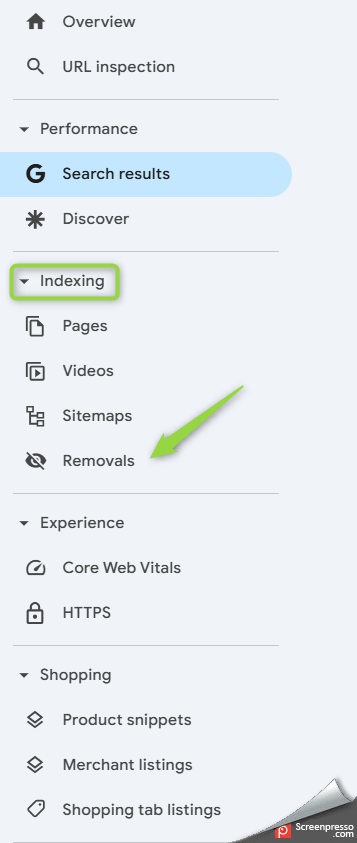
If you want to remove specific search results from Google, you can use the Remove Outdated Content tool and the Results About You tool to request removals directly.
The Remove Outdated Content tool is for situations where outdated information still appears in search results, even after it has been changed or deleted. This tool allows you to request its removal.
The Results About You tool eliminates personal information like home addresses or phone numbers from search results.
It’s important to note that even if a removal request is granted through the Remove Outdated Content tool, it is only temporary. The removal typically lasts about six months (180 days), allowing website owners time to address the content.
Request Content Removal from the Source
Removing content at the source is the most effective approach, and if it is deleted, it will eventually disappear from Google’s index permanently. If you don't have control over the website in question or lack access to Google Search Console, there are still steps you can take to remove unwanted content from Google search results.
Start by reaching out directly to the webmaster or site owner. When communicating with them, clearly explain the issue and politely request that they delete the page containing the unwanted content or update it with more accurate information. Be sure to provide specific URLs and any pertinent details that could help them understand your request better. You might ask authors to edit or modify the content, suggest adding a "noindex" tag instead of full removal, or ensure the page returns a 404 or 410 status code. Remember, even after the content is removed, it may take some time for Google to recrawl the site and update the search results.
Submit a Legal Removal Request to Google
If you would like Google to remove content you believe is unlawful, you can submit a legal removal request. This may involve DMCA takedown requests, defamation removals, or Right to Be Forgotten (RTBF) requests. Google provides a legal removal form for these purposes, and you may need to include additional information to support your claim. Legal removals are more likely to be successful when accompanied by evidence or legal justification.
DMCA Takedown Requests
This request allows copyright holders to ask for the removal of infringing content. To submit a DMCA Takedown Request, visit Google's Copyright Removal Form, select the relevant product, provide details about the copyrighted work and the infringing URLs, include a sworn statement, and submit the form.
Defamation Removals
A defamation removal request allows for the removal of false or misleading content. To proceed, first contact the website owner to request removal. You can send a cease-and-desist letter or file a defamation lawsuit if necessary. After taking these steps, submit a legal removal request to Google and proof of legal action. Use Google's "Report Content for Legal Reasons" page to submit your request.
Right to Be Forgotten (RTBF) Requests
This legal request allows individuals to seek the removal of irrelevant or unlawful personal information from search results. To submit an RTBF request, visit Google's RTBF legal help page, fill out the web form with specific URLs and detailed descriptions, and provide an email address for communication. You may also request delisting for any other names associated with you.
Remove Personal Information or Sensitive Data
You can remove exposed personal information, such as phone numbers, home addresses, or ID numbers using Google's Personal Information Removal Tool. To begin the removal process, locate the "Results About You" dashboard and access Google’s Personal Information Removal Request form. Depending on the context, Google may blur or redact personal details instead of removing entire pages.
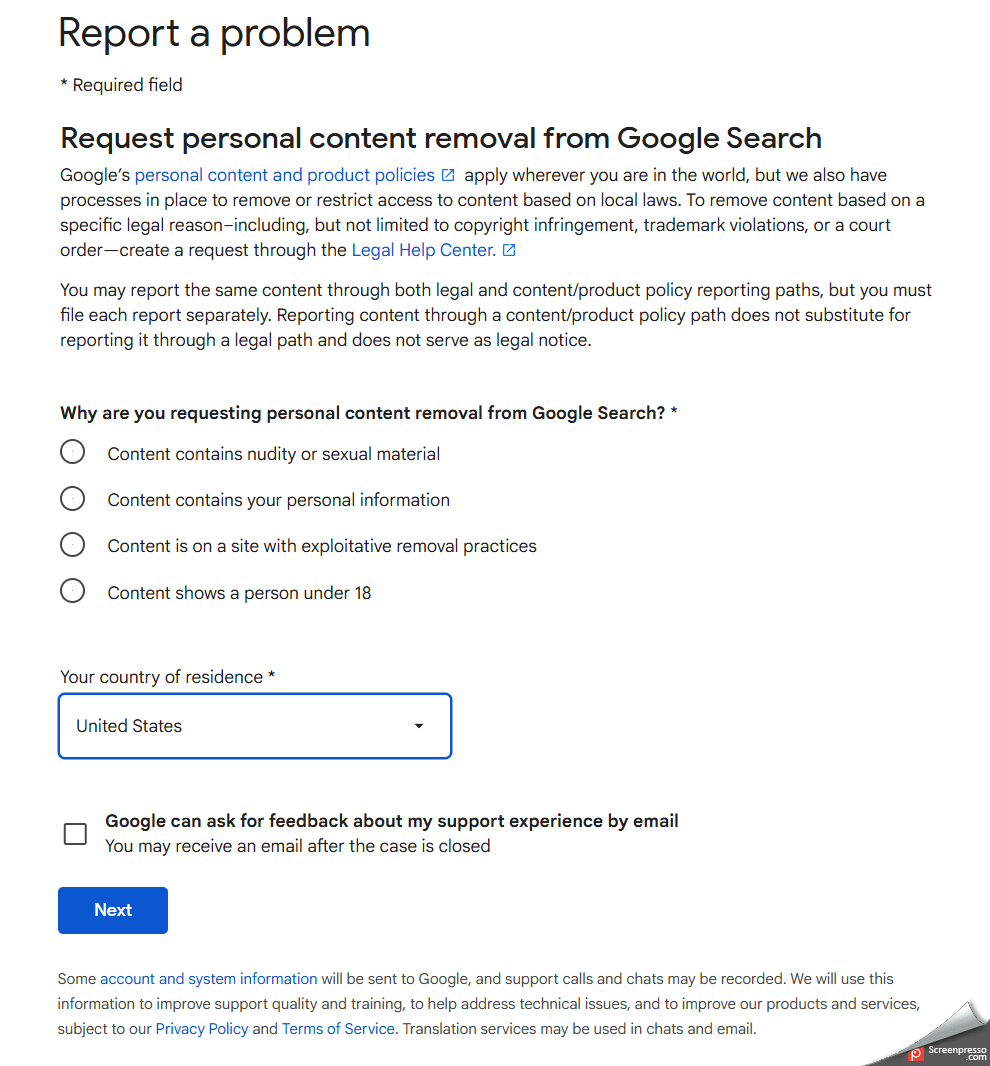
According to Google’s policies, sensitive content is information that, if mishandled or disclosed, could lead to discrimination, harm, or significant privacy violations. Sensitive information generally includes:
- Racial or ethnic origin
- Religion
- Political affiliations or opinions
- Sexual orientation or activity
- Criminal history
- Biometrics or genetic data
- Medical history or health data
- Government identification number
- Financial account information
- Precise geolocation
- Union memberships
- Content of messages (with some exemptions)
Temporary vs. Permanent Removal: How Google Handles Unwanted Search Results
Some content removals from Google Search can be categorized as either permanent or temporary, each serving different purposes and having distinct implications for online visibility. The choice between temporary and permanent removal should be based on a website's specific needs and the nature of the content in question.
Temporary Removal
This option is a short-term solution designed to hide content from Google Search results for approximately six months. While the content remains online and accessible to users who know the direct URL, it will not appear in search results during this period. Importantly, the content remains indexed, meaning it can still be found through other means, such as direct links or referrals. This temporary removal is executed through the Google Search Console's Removals tool, allowing site owners to manage how their content is presented in search results quickly.
Permanent Removal
In contrast, permanent removal is a more definitive action to eliminate content. This process involves removing the web content or making it inaccessible to all users, effectively preventing any online access. Once permanent removal is processed, the content will be de-indexed from Google and other search engines, ensuring it no longer appears in search results. This method is for situations where sensitive information needs to be secured or when content is no longer relevant or appropriate for public viewing.
How to Suppress Negative Google Search Results (When Removal Isn't Possible)
Suppression is a great strategy if you're unable to remove negative Google search results entirely. Creating and publishing fresh, search-engine-optimized content can push down negative results and promote positive ones.
This involves publishing content in various formats, such as blog posts, press releases, engaging social media profiles, guest articles, and videos. Using branded SEO and building authority through backlinks can enhance the visibility of your positive content.
Remember, suppression is an ongoing process that requires consistency. Working with SEO experts, like those at Americaneagle.com, is the fastest, easiest way to build an online presence that accurately reflects your values.
When to Hire a Professional for Search Result Removal or Suppression
If you're serious about managing your online reputation, partnering with a leading digital agency like Americaneagle.com can provide significant value. Our expertise in SEO suppression can effectively shield your brand from negative search results, while exceptional content creation services are designed to elevate your online presence.
Additionally, our experienced team expertly handles removal requests to ensure that unwanted information is swiftly eliminated from search engines. Entrusting your reputation to Americaneagle.com not only enhances your brand's credibility, but also empowers you to take control of your digital narrative.
How to Prevent Unwanted Search Results in the Future
To avoid future issues related to unwanted search results, consider the following tips for reputation monitoring and maintaining good digital hygiene:
- Set up Google Alerts for personal names, brand names, and key executives to monitor real-time mentions.
- Consistently publish positive, branded content to help dominate search engine results pages (SERPs).
- Manage privacy settings across social media platforms and third-party sites.
- Periodically check what is indexed on Google and use tools like robots.txt or noindex tags to prevent sensitive content from being indexed.
How Americaneagle.com Can Help You with Removing Google Search Results
Americaneagle.com is your trusted partner specializing in digital reputation management. We offer expert services to help you remove or suppress unwanted Google search results that may damage your online presence.
Whether you're facing negative reviews, outdated information, or harmful content, our team understands how overwhelming these challenges can be. We provide tailored strategies to protect and enhance your brand’s visibility, ensuring your digital footprint reflects your values and achievements. Let us help you regain control of your online identity.