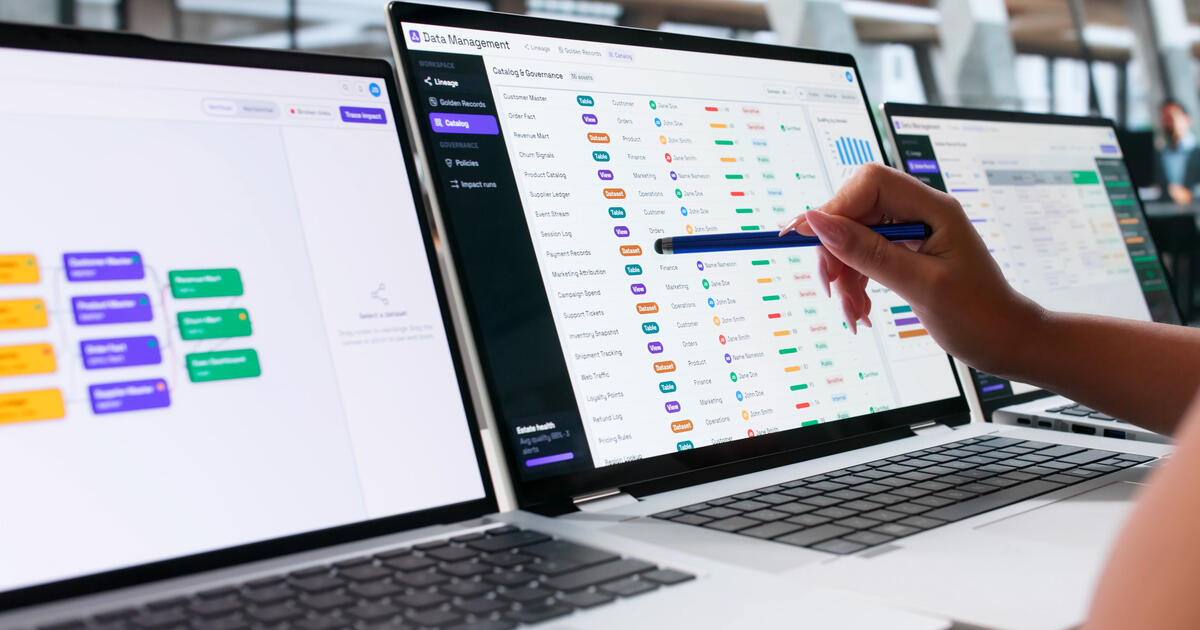


So, what is Platform as a Service in cloud computing?
PaaS offers a ready-to-use platform for developing, running, and managing applications without the hassle of building and maintaining the underlying infrastructure. Think of it as renting a fully equipped workshop. You get all the tools, machinery, and workspace you need to create something amazing, but you're not responsible for buying the tools, paying for the building, or handling maintenance.
The term PaaS stands for Platform as a Service. It is sometimes also called application platform as a service (aPaaS). This model offers developers a complete environment that includes development frameworks, programming languages, libraries, and other necessary tools. This enables businesses and their development teams to focus solely on coding and innovating their applications rather than managing servers, storage, networking, and databases.
The PaaS model essentially eliminates the need to manage the infrastructure layer, streamlining the entire application lifecycle—from development and testing to deployment and updates.
The growing adoption of PaaS is driven by its ability to support modern technologies like AI and DevOps, providing scalable environments and tools for rapid development and deployment. Additionally, PaaS accelerates digital transformation by enabling businesses and enterprises to innovate and adapt quickly without the burden of managing complex infrastructure.

Understanding Platform as a Service (PaaS) in Cloud Computing
Platform as a Service (PaaS) in cloud computing provides a complete development and deployment environment in the cloud. A PaaS solution includes the necessary infrastructure—servers, storage, and networking—plus middleware, development tools, business intelligence services, database management systems, and frameworks. This comprehensive offering streamlines the application lifecycle. The concept of PaaS emerged in the mid-2000s, with the first public PaaS offering, Fotango's Zimki, launching in 2006. This innovation paved the way for modern cloud computing platform as a service solutions that support the entire web application lifecycle.
The PaaS business model is usually offered through a subscription or pay-as-you-go plan, providing businesses with financial flexibility. PaaS providers deliver these services in various ways. Public PaaS is hosted in the cloud and managed by the provider, offering scalability and ease of use. Private PaaS is provided as software within a company's firewall, giving more control and security. A hybrid PaaS model combines both approaches, enabling organizations to use public PaaS for some functions while keeping sensitive data or applications on a private platform. This versatility makes platform as a service a strong choice for businesses aiming to speed up innovation and lower operational costs.
How Platform as a Service (PaaS) Works
A PaaS solution delivers tools and infrastructure through various cloud environments, supporting the complete application lifecycle from provisioning and development to deployment, scaling, monitoring, and securing. Teams can access these PaaS services through a graphical user interface (GUI), command-line interface (CLI), or APIs. This PaaS platform operates on a shared responsibility model, where the provider manages the underlying infrastructure and its security, while the customer is responsible for their applications and data. PaaS in cloud computing also offers built-in collaboration tools, vital for streamlining distributed teams' workflows. Offered through flexible payment models, the PaaS platform provides scalable, efficient, and cost-effective resources for modern development.
Benefits of Platform as a Service (PaaS) for Businesses and Developers
There are a range of benefits that make PaaS an excellent choice for businesses of all sizes:
- Low Maintenance: With PaaS, the provider handles infrastructure updates, patching, and maintenance of tools. This reduces the burden on IT teams, freeing them to work on other projects.
- Cost-Effectiveness: PaaS eliminates the need for upfront hardware investments by offering flexible, pay-as-you-go pricing for significant savings.
- Easy Scalability for Fluctuating Demand: PaaS allows businesses to easily scale up or down based on workload requirements, ensuring they can handle traffic spikes without wasting resources.
- Enhanced Security with Provider-Managed Infrastructure: PaaS service providers secure their platforms with advanced measures like data encryption and regular monitoring for a robust and compliant environment.
- Enhanced Collaboration for Distributed Teams: Modern development teams are frequently spread across different locations. PaaS offers a unified, cloud-based platform that all team members can access from anywhere with an internet connection. Developers, testers, and operations personnel can collaborate in real-time, streamlining processes and minimizing communication barriers that often slow down projects with remote or distributed teams.
- Reduced Coding Time with Pre-Built Components: One of the key advantages of PaaS is access to pre-built software components. Instead of writing every line of code from scratch, developers can utilize a library of components for common functions like search, directory services, and security features. This modular approach not only speeds up development but also enhances the consistency and quality of the code.
- Support for Multi-Platform Development: Many PaaS services include cross-platform tools that let developers create and launch applications for web, mobile, and even Internet of Things (IoT) devices from a single, unified platform. This method saves a lot of time and effort compared to building and maintaining separate code for each platform.
- End-to-End Application Lifecycle Management: PaaS is not just for coding; it supports the entire application lifecycle. From initial development and testing to deployment, management, and updates, the platform offers the tools needed at every stage. This integrated approach includes build management, version control, testing frameworks, and deployment mechanisms. PaaS simplifies operations, enhances visibility, and guarantees a smoother, more reliable process from conception to retirement.
- Access to Advanced Development Tools: PaaS providers supply developers with a modern, top-tier toolkit. These platforms typically include advanced APIs, software development kits (SDKs), analytics, and business intelligence tools. This allows your team to access cutting-edge technology without needing to purchase and integrate it themselves.
These advantages make PaaS a key enabler for innovation, efficiency, and lower costs.
Challenges and Disadvantages of PaaS
PaaS solutions provide significant advantages, but they also present challenges for businesses to consider:
- A primary concern is vendor lock-in, where switching from a specific PaaS provider can be complicated and expensive due to proprietary tools and frameworks.
- PaaS services often restrict customization and control, which might not align with the unique needs of all businesses.
- As organizations grow, the costs of PaaS platforms can increase substantially, potentially exceeding initial budgets.
- Integration with existing systems and managing traffic routing can also create technical obstacles, requiring careful planning to ensure smooth operations.
Despite these challenges, PaaS remains a powerful tool for speeding up development and deployment when used strategically.
Best Practices for Adopting Platform as a Service (PaaS) Solutions
Let’s break down some of the best practices for a business to adopt PaaS:
- Start by clearly defining your goals to align PaaS capabilities with their objectives.
- Evaluating multiple providers and testing solutions ensures the selection of a platform that meets your specific needs.
- Developing a detailed roadmap for implementation and migration minimizes disruptions while running pilot projects and allows teams to address challenges before full-scale adoption.
- Ongoing monitoring of security and compliance measures is crucial to protect sensitive data.
- Partnering with an experienced PaaS service provider can help optimize the implementation process for maximum efficiency and success.
- Developing a detailed roadmap for implementation and migration is essential, as it minimizes disruptions and allows for pilot projects to identify and address challenges before full-scale adoption.
- Ongoing security and compliance audits are critical to protect sensitive data and maintain regulatory standards.
- Partnering with an experienced PaaS service provider can streamline the implementation process, ensuring optimized performance and long-term success.
Common Use Cases of PaaS
Platform as a Service solutions are widely adopted across industries for their versatility and efficiency. A common use case is API development and microservices, where PaaS services like Azure App Services and Google Cloud Run enable developers to build, deploy, and scale APIs and modular applications seamlessly. PaaS platforms are also instrumental in creating IoT applications, offering tools to manage device connectivity and data processing. For businesses focused on data-driven decision-making, PaaS supports the development of business intelligence and analytics dashboards, providing real-time insights through platforms like Salesforce.
Another key use of PaaS is in DevOps automation and CI/CD pipelines, where it simplifies code integration, testing, and deployment processes. PaaS also plays a vital role in cloud migration, helping with replatforming and refactoring efforts to modernize legacy systems. Additionally, PaaS platforms are perfect for deploying AI/ML models, providing pre-built environments and scalability for machine learning workflows. These examples of platform as a service show how PaaS services enable businesses to innovate and improve operations across various use cases.
PaaS Trends: The Future of Platform as a Service in Cloud Computing
The future of PaaS will be characterized by rapid innovation and increased adoption, with a larger emphasis on cloud-native and serverless architectures that enable more scalable and efficient applications. For example, the integration of PaaS with serverless computing, such as Google Cloud Run, allows businesses to deploy applications without managing infrastructure. The rise of low-code and no-code platforms is also transforming the landscape, enabling non-technical users to develop applications quickly and easily. PaaS is expected to become a key part of DevOps, streamlining application lifecycle management from development to deployment with Kubernetes-based solutions that improve scalability and flexibility.
Integration Platform as a Service and middleware solutions are expanding, offering seamless connectivity between diverse systems, while multicloud and hybrid PaaS adoption give businesses greater flexibility and resilience. AI/ML-powered PaaS platforms are fueling innovation by enabling advanced analytics and intelligent automation. Enhanced security-first strategies, such as Zero Trust frameworks and Identity and Access Management (IAM), are becoming essential for PaaS solutions, providing strong protection for sensitive data. As more businesses adopt these technologies, the PaaS market is expected to grow significantly, driven by advances in automation, security, and AI-driven features that shape the next generation of platforms.
Get Started with Platform as a Service (PaaS) Solutions Now
PaaS provides a straightforward path to innovation, agility, and scalability. However, selecting and integrating the right platform into your current ecosystem requires careful planning and strong technical expertise.
Americaneagle.com has helped organizations across various industries, including banks and credit unions, achieve digital transformation using PaaS. For instance, a major financial institution modernized its outdated systems and launched a cloud-native web platform, significantly boosting both customer experience and operational efficiency. Another client, a nationwide credit union, used our DevOps expertise to implement CI/CD pipelines, speeding up release cycles and improving service reliability.
If you are ready to explore how PaaS can drive your business forward, contact Americaneagle.com. We can help you:
- Develop a cohesive cloud strategy: We assess your needs and design a roadmap for adopting and optimizing PaaS solutions that align with your long-term goals.
- Implement robust DevOps support: Our experts can help you leverage PaaS to build automated CI/CD pipelines, fostering a culture of rapid and reliable software delivery.
- Build custom applications: We design and develop powerful, scalable applications on PaaS platforms tailored to solve your unique business challenges.
- Drive modernization and digital transformation: Let us guide your transition from legacy systems to modern, cloud-native architectures that deliver lasting competitive advantage.
Our team is here to help you explore tailored solutions that meet your unique needs and goals.